







Search Results for: Coffee & Milk Tea Zone

JD Instant Delivery launches a 9.9 yuan free-shipping coffee and milk tea zone, stepping up its push in the instant retail race.
Recently, a dedicated section named "Coffee & Milk Tea" quietly appeared in the "Instant Delivery" area of the JD APP, promoting "9.9 yuan with free shipping," giving many consumers accustomed to ordering on Meituan and Ele.me a new option. This section not only gathers chain beverage brands such as Luckin, Cotti, Tims, and Chagee, but also includes fast-food merchants like Burger King and Yonghe King, with its category expanding from beverages to fast food. JD PLUS members can even treat friends to coffee for free. Behind this move is JD's continued intensification in the instant retail and food delivery market—from revealing its intention in 2022, to upgrading "JD Instant Delivery" in May this year, and then increasing its stake in Dada Group to 63.2% in September, JD is trying to use high-frequency, rigid-demand coffee and milk tea as an entry point, using subsidies to cultivate users' mindset of ordering food delivery on JD. Front Street Coffee notes that this instant delivery battle centered on "9.9 yuan" may have only just begun. [more…]
Is Assam black tea originally from India? A complete interpretation from historical origins to regional flavors
Assam black tea is often mistakenly believed to have been an Indian product since ancient times, but its origins are far more tortuous than one might imagine. Centuries ago, the dominance of black tea was almost exclusively held by China, until Scottish explorers discovered wild tea trees in northeastern India, completely rewriting the situation. Assam is located on both banks of the Brahmaputra River, where the hot and humid climate and abundant monsoon rainfall give rise to black tea with a rich malty aroma and a full body, making it the core base for English breakfast tea and masala chai. Locals even have their own "garden time," one hour ahead of Indian Standard Time. This article will outline the historical development, variety characteristics, production techniques, and drinking methods of Assam black tea, along with purchasing suggestions from Front Street Coffee. [more…]
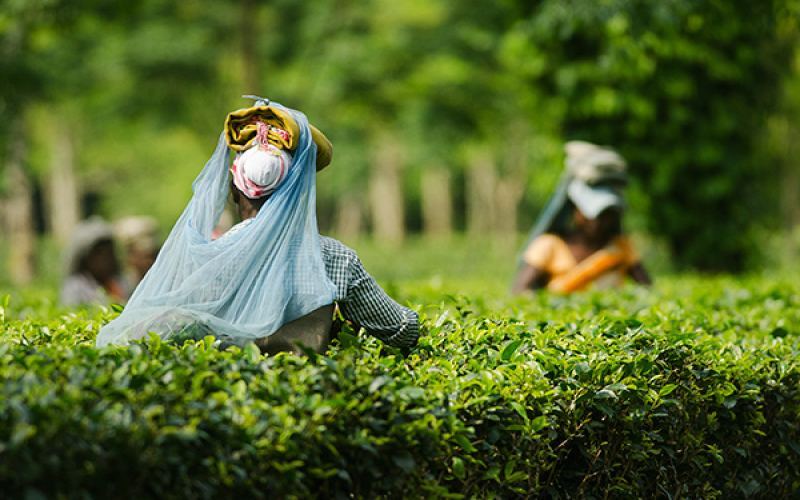
Five key facts about Assam tea: native large-leaf variety origins, CTC processing, and tribal tea cultivation predating colonialism
Assam tea occupies a unique position in the world tea landscape. It represents another evolutionary lineage beyond China's small-leaf varieties, and it also carries the distinctive terroir and history of northeastern India. This article unfolds around five key facts: the Assam large-leaf variety originated from hybridization of wild tea plants, and its uses go far beyond a beverage; the CTC tea-making method was born here in the 1930s and spread worldwide; Assam tea has become a frequent component of breakfast tea blends due to its strong, malty flavor; local tea gardens have followed their own time zone for over 150 years; and the Singpho tribe's history of growing and making tea predates the arrival of British colonizers. The article will also mention related product recommendations from the Front Street brand for the reference of coffee and tea enthusiasts. [more…]

Shuyi Shao Xian Cao Store Fined for Illegally Employing a 13-Year-Old Worker, 10,000 Yuan Penalty Draws Attention
The milk tea industry has recently exposed yet another labor abuse scandal. A Shuyi Tealicious store in Changsha was fined 10,000 yuan by the local Human Resources and Social Security Bureau for hiring a child worker who was only 13 years old. The incident came to light after a citizen report, and an investigation found that the child had worked at the store for several months before being fired, which then led to a dispute. The store owner involved argued that the child claimed to be over 15 years old and that they only agreed to hire the child because they were short-staffed. This case not only highlights loopholes in employment management at some food and beverage outlets, but also sparked public discussion about the protection of minors and the enforcement of labor laws. [more…]

Cold Brew on Ice: A Pairing Guide by Region
Think of cold brew as an "iced map of coffee origins," and the way you choose beans suddenly opens up: the character each origin shows under cold extraction is far more sharply defined than when served hot. Take a lap along the Coffee Belt and map out how well each major origin suits cold brew—brew by the map this summer, and every cup will surprise you. First stop, [more…]
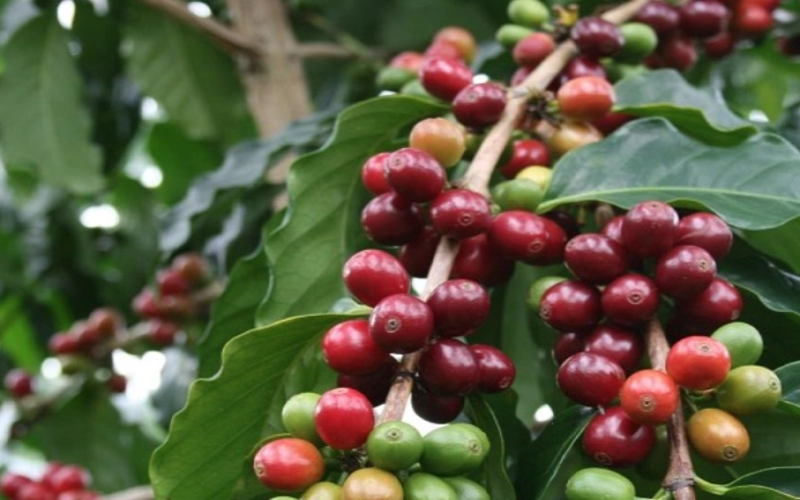
A Complete Guide to Ethiopian Coffee Regions: Flavor Comparison of Sidamo and Sidama, Yirgacheffe, Guji, Harrar, and Jimma
Ethiopia, as a genetic treasure trove of coffee, has nurtured countless stunning specialty coffee regions. From the administrative transition of Sidamo to Sidama, from the wetland settlement of Yirgacheffe to the rise of Guji as tomorrow's star, each region possesses unique terroir conditions and processing techniques. Beans such as Front Street Gudingding, Front Street Red Cherry, and Front Street Huakui are typical representatives of the flavors of different regions. This article will systematically sort out the flavor characteristics and historical context of Ethiopia's major coffee regions, taking you to deeply understand the unique charm of Sidamo, Sidama, Yirgacheffe, Guji, Harrar, Limu, and Djimma. [more…]
A Complete Guide to Ethiopia Guji Hambela Flower Queen Coffee: From Origin Story to Roasting Curve and Brewing Parameters
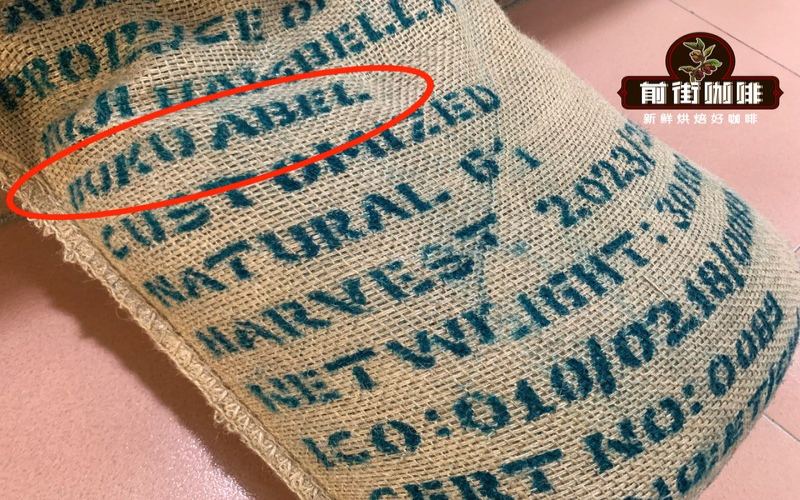
In recent years, coffees with bright acidity have become increasingly popular, and Huakui is one of the most highly recognizable among them. It comes from the Buku processing station in Hambela, Guji region, Ethiopia. With its strawberry and creamy aroma, it won the 2017 TOH competition, and in the same year, Li Jianfei used it in the World Brewers Cup China region to defeat Geisha and win second place, making it famous ever since. This article will start with the story of Huakui's rise to fame, sort out the terroir context of the three production regions of Sidamo, Guji, and Hambela, introduce the Buku processing station's natural process and Heirloom native species background, and include product information for Front Street Coffee's new-season Huakui, two customized roasting curves, and the complete parameters and brewing steps for V60 pour-over, taking you through a comprehensive understanding of this coffee with its distinctive floral and fruity notes. [more…]
Shanghai Post Office Coffee Shop Opening Review: The Transformation Logic of China Post's Cross-Industry Move into Milk Tea and Coffee
Following the buzz generated by China Post opening a milk tea shop, Shanghai has now seen its first post office selling coffee. On September 17, the Tianping Road Post Office at 1883 Middle Huaihai Road was transformed into the Wukang Building-themed post office. While retaining its original postal services, it has introduced a café, a photo-op area, and a cultural and creative display zone, in collaboration with Qiao Coffee under the century-old Shanghai time-honored brand Qiaojiashan. Is the coffee at this post office actually good? Why does China Post frequently cross into the beverage sector? This article will analyze the details of the store renovation, the background of the partner brand, and the history of China Post's cross-industry ventures, and explore the underlying logic of time-honored brands seeking rejuvenation. [more…]
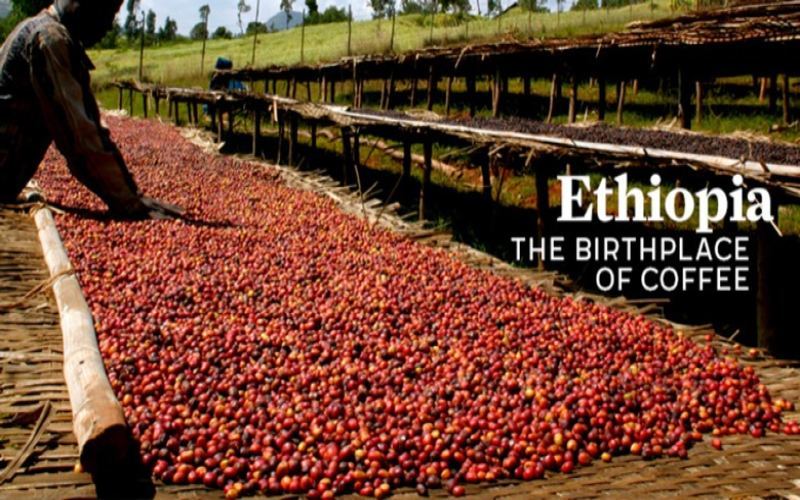
Yirgacheffe Starter Guide: How to Choose Between Light, Medium, and Dark Roasts
The flavor range of Yirgacheffe is very broad, and the roast level takes it in different directions: a light roast makes it easier to taste floral notes, citrus, and berries; a medium roast brings out more sweetness and smoothness; a dark roast moves toward cocoa, nuts, and a heavier mouthfeel. Beginners may want to check the roast label first, then decide which kind of cup they want to start getting to know this [more…]
Understanding Coffee Bean Roast Levels and Flavor Differences at a Glance
The roast level of coffee beans determines what appears first on the palate and also shapes the direction of aroma, acidity, sweetness, body, and finish. If you enjoy bright fruity notes, look to light roasts; if you want rounded sweetness and broader appeal, medium roasts are easier to match; if you prefer rich depth, explore medium-dark and dark roasts. According to this [more…]
Front Street Blue Mountain Coffee Home Brewing Guide: How Water Temperature, Grind, and Coffee-to-Water Ratio Affect Flavor, and Whether You Should Add Milk
Front Street Blue Mountain Coffee is produced in the Blue Mountains of Jamaica and is famous for its balanced sweetness, acidity, and bitterness, with almost no bitter taste. This article is aimed at coffee enthusiasts and introduces practical methods for brewing Front Street Blue Mountain Coffee at home, including key points for the simple tea strainer method, American-style drip coffee maker, and paper filter pour-over. It focuses on key parameters such as controlling the water temperature at 84-86°C, choosing a filter cup with a slower flow rate, a coffee-to-water ratio of 1:13 to 1:14, and an extraction time of about 1 minute 50 seconds, and also answers the question of whether to add milk and sugar. The full text retains Front Street Coffee brand content and is suitable for readers who want to brew a balanced, full-bodied Blue Mountain flavor at home. [more…]
Want a smooth, sweet aftertaste? First, check how far your coffee beans have been roasted.
If you want acidity that doesn't overpower, a smooth entry, and a sweet finish, you can start by looking at the roast level when choosing beans. Roasting time changes the acidity, caramelized aromas, and body of coffee, and the same region can show completely different characteristics under light, medium, and dark roasts. For ordinary coffee consumers, start by roast [more…]
The Roast Degree Migration of Home Espresso: From Dark Roast Beginner to Medium-Light Adventurer
Many people start their espresso journey with dark roast beans—rich caramel and dark chocolate, with a prominent, straightforward bitterness that, once combined with milk, becomes almost a liquid dessert. The barrier to entry is low, and it fits the general public's initial idea of coffee. But the world of coffee flavor is far broader than this stretch. As the number of shots pulled increases, many people naturally begin to [more…]
Where is Yunnan small-bean coffee produced? A complete analysis of the characteristics of the four major regions, variety differences, and brewing parameters
Yunnan small-bean coffee actually refers to the Arabica variety, named for its smaller beans, in contrast to the medium-bean Robusta grown in Hainan. The story of Yunnan coffee begins in 1904, when the missionary Tian Deneng planted the first coffee seedling in Zhugula Village, Binchuan, and it has now spanned more than a century. Today, Baoshan, Pu'er, Dehong, and Lincang are the four main producing regions, each with different climate conditions and planting scales. As for varieties, the vast majority of what is grown in Yunnan is Catimor, while Front Street Coffee insists on selling traditionally processed beans, both washed and natural, and also grows Typica itself in Lincang, launching "Front Street 2013." This article will provide a complete overview of Yunnan small-bean coffee, from producing regions and varieties to flavor and brewing methods. [more…]
Want floral notes? Which roast level should coffee beans be roasted to?
Floral notes are not exclusive to light-roasted coffee beans—as the roast level changes, the way floral notes present themselves changes too. Light roasts are more like freshly brewed floral tea, with an airy, uplifting aroma; medium roasts fold the floral notes into sweetness reminiscent of dried fruit, honey, or caramel; dark roasts push the floral notes into the background, leaving behind thicker cocoa, nut, and roasted [more…]
A Complete Analysis of the Origin Flavor Characteristics of Yirgacheffe Coffee Beans: From Grading and Processing to Roasting Performance
Yirgacheffe is a representative region for Ethiopian specialty coffee, renowned worldwide for its bright floral and fruity acidity and its elegant, tea-like clarity. This article will systematically outline the complete picture of Yirgacheffe coffee beans, from production area divisions, variety characteristics, and processing method differences to the grading system and roasting performance. It also covers the unique styles of surrounding production areas such as Kochere and Misty Valley, as well as the product characteristics of Front Street Coffee's Yirgacheffe, helping coffee enthusiasts fully understand the flavor evolution of this "Queen of Coffee" from green bean to cup. [more…]
The roast level of hand-ground coffee beans determines the flavor
When hand-grinding coffee beans, the roast level is a very useful screening clue. As the beans go from light to dark, the aroma, acidity, body, and aftertaste in the cup all gradually shift their focus. If you like bright fruity notes, pay attention to light roasts; if you want soft sweetness and a balanced taste, medium roasts are easier to accept; if you prefer something rich and full-bodied, you can [more…]
Nutty Chocolate-Flavored Coffee: Roast Level Determines the Taste Profile
Flavors like nuts, cocoa, and caramel often bring to mind a round, sweet, and smooth cup of coffee. However, even when chocolate notes are listed, light, medium, and dark roasts deliver quite different experiences in the cup. Whether you want a crisp cocoa note, a soft nutty sweetness, or an intense dark chocolate flavor, the key is to first look at the roast level, then [more…]
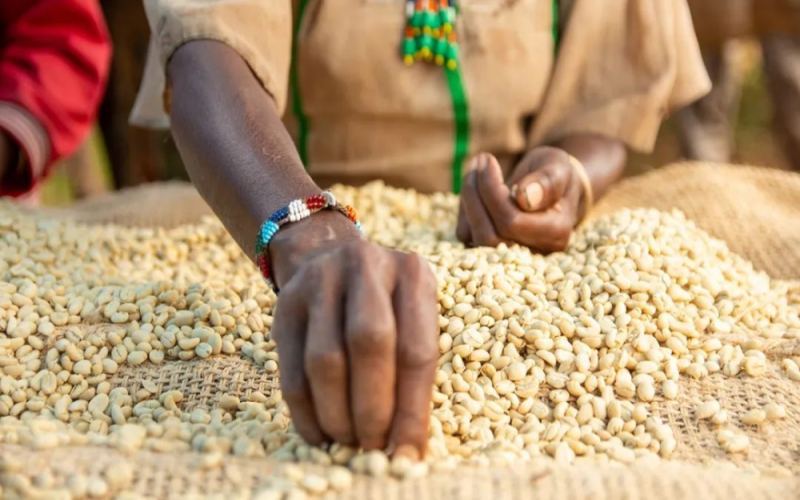
A Complete Guide to Yirgacheffe Coffee Beans: Regional Grading, Variety Flavors, and Pour-Over & Iced Brew Techniques
Yirgacheffe is a region well known to coffee lovers worldwide, celebrated for its bright citrus acidity, fresh floral aromas, and tea-like sweetness. This article begins with Yirgacheffe's geographical evolution and grading certification, then analyzes the three major flavor drivers—high-altitude cultivation, native heirloom varieties, and traditional processing methods—and compares the differences between washed and natural processing. It also details the brewing parameters for the medium-light roasted Gedingding Cooperative coffee beans recommended by Front Street Coffee, including the specific steps for a three-pour hand brew and iced hand brew, helping you recreate a cup of Yirgacheffe full of floral and fruity notes at home. [more…]
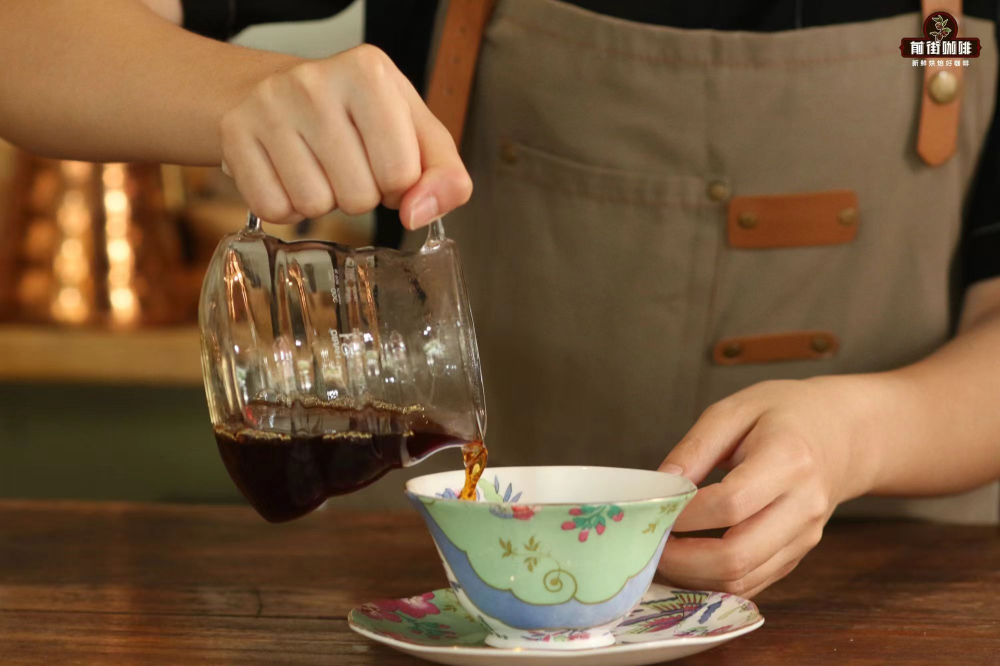
Floral and Fruity Single-Origin Bean Recommendation | For Sidamo Sun-Dried Huakui, is Light Roast or Medium Roast Better? Is Huakui Coffee Bean Better Suited for Pour-Over or Espresso?
With the "rise" of acidic coffee in recent years, I believe everyone has heard of the Flower Queen coffee. Just hearing the name makes it sound extraordinary; its bright citrus and berry notes, along with its juicy, delightful sweet-and-sour taste, leave a lasting impression. This article will introduce you to Flower Queen coffee. Flower Queen rose to fame in 2017, when Ethiopian [more…]